Biometric Sensors Reshaping Real-Time Choices in Online Wagering Platforms
Leon Lang · Oct 3, 2026
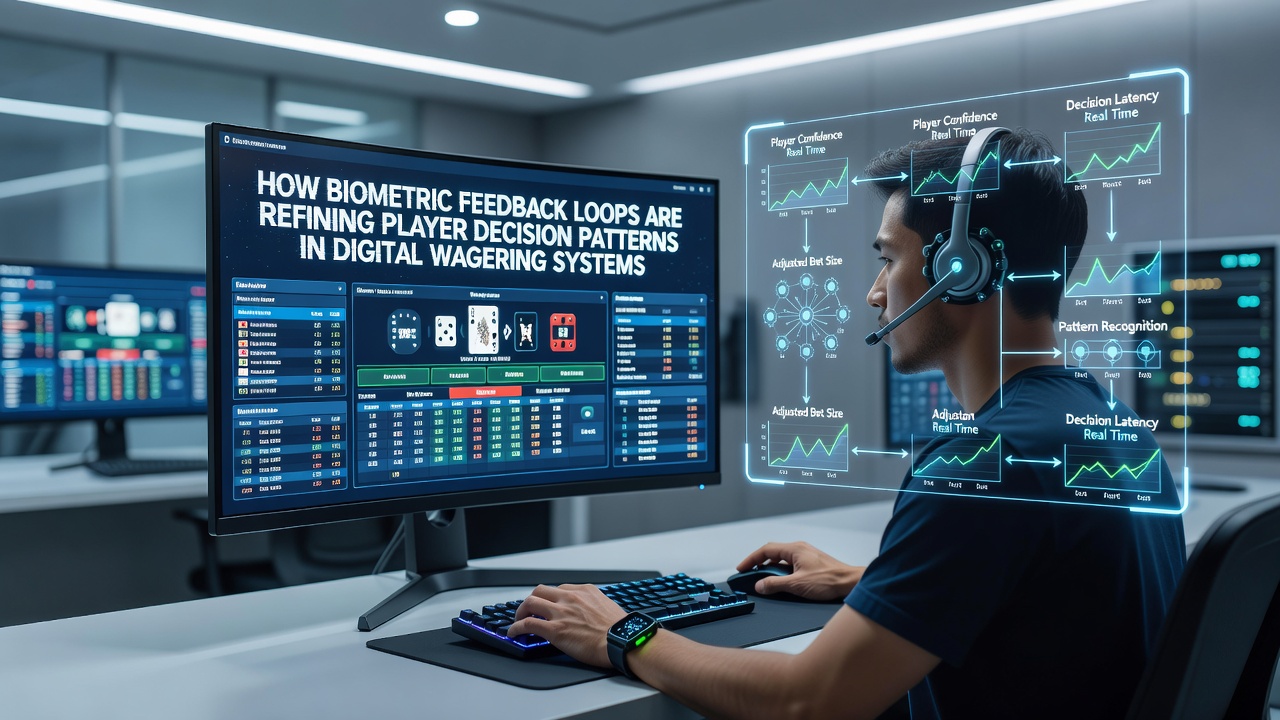
Biometric Sensors Reshaping Real-Time Choices in Online Wagering Platforms
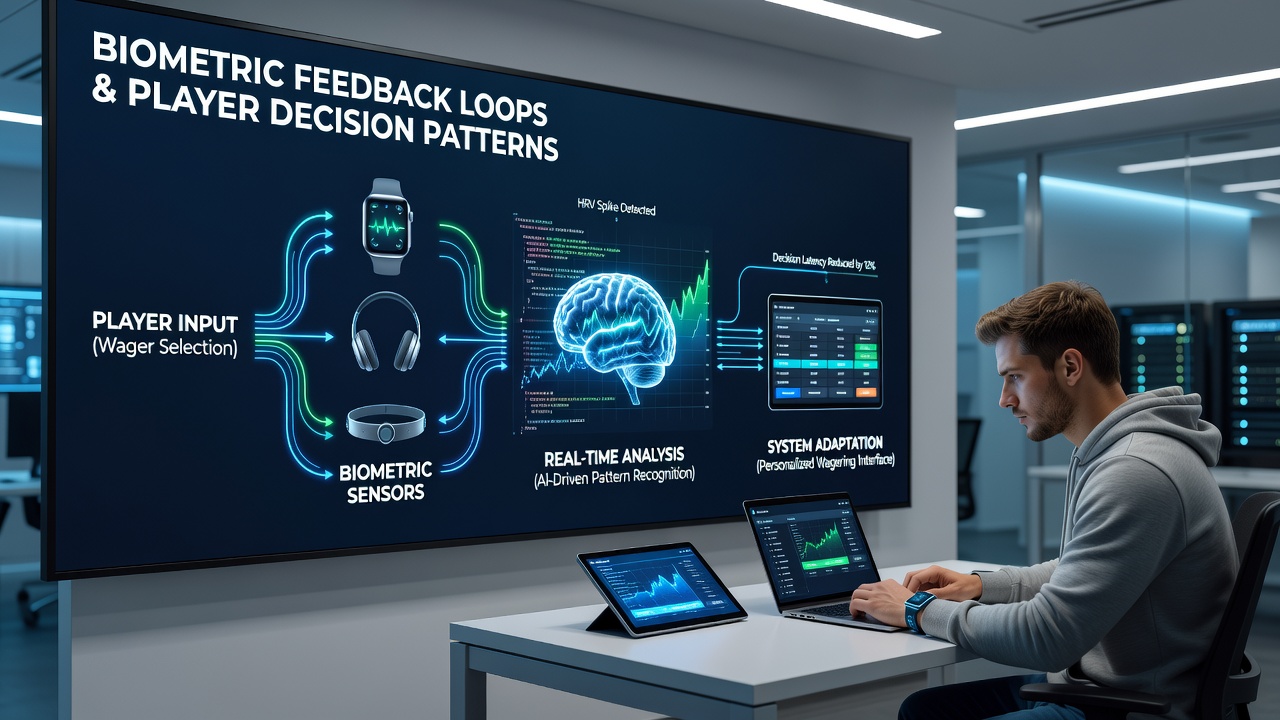
Digital wagering platforms have begun incorporating biometric sensors that track physiological signals such as heart rate variability, skin conductance, and pupil dilation to create feedback loops that influence user decisions during active sessions. These systems collect continuous data streams from wearable devices or built-in device cameras, then process the information through algorithms that detect patterns of arousal or fatigue before prompting interface adjustments like temporary bet limits or personalized odds displays.
Operators report that such loops operate by establishing baseline readings at login, after which deviations trigger automated responses designed to guide players toward measured selections rather than impulsive ones. Studies conducted in laboratory simulations have shown measurable shifts in betting frequency when feedback mechanisms activate, with participants exhibiting reduced wager sizes during elevated stress detections compared to control groups without sensor input.
Core Components of Biometric Feedback Systems
Hardware elements include optical heart rate monitors, galvanic skin response electrodes, and eye-tracking modules that feed raw signals into machine learning models trained on historical session data. Software layers translate these inputs into decision-support outputs, such as color-coded risk indicators or brief pauses that require explicit confirmation before proceeding with a bet. Platforms in North America and parts of Europe have tested these integrations since early 2025, with deployment accelerating through partnerships between device manufacturers and betting software providers.
Data indicates that eye-tracking components alone can identify hesitation markers within 800 milliseconds of a betting prompt, allowing the system to insert micro-interventions that extend decision time by an average of 2.4 seconds according to controlled trials published in human-computer interaction journals. When combined with heart rate data, the accuracy of arousal classification reaches reported levels above 78 percent in multi-site validation studies.
Observed Effects on Player Decision Patterns
Longitudinal analysis of anonymized user logs from platforms employing these loops reveals changes in sequential betting behavior, including longer intervals between high-stakes wagers and increased use of available cash-out features during detected peak arousal periods. Researchers tracking cohorts across multiple jurisdictions noted that participants exposed to real-time biometric prompts demonstrated a 14 percent reduction in chasing losses within the first three months of system exposure, though longer-term retention metrics require further observation.
One documented case involved a European operator that linked biometric thresholds directly to account-level spending caps, resulting in automated halts once skin conductance exceeded individualized baselines for more than 45 seconds. Figures released by that operator in October 2026 showed compliance rates above 92 percent for these enforced pauses, with players resuming activity after cooldown periods at lower average stake levels than pre-intervention patterns.
Regulatory and Technical Considerations Across Regions
Authorities in Australia and Canada have begun reviewing biometric data handling practices under existing privacy statutes, requiring explicit consent mechanisms and data retention limits before approving widespread rollout. Industry reports from the European Gaming and Betting Association highlight that member companies must demonstrate algorithmic transparency to maintain licensing, with independent audits examining whether feedback loops inadvertently favor house edges through selective prompting.
Technical challenges persist around signal noise from everyday movement and device variability, prompting developers to refine calibration routines that recalibrate every 15 minutes during extended sessions. Cross-platform compatibility remains uneven, with mobile implementations showing higher dropout rates than desktop versions due to inconsistent sensor quality in consumer hardware.
Emerging Research and Data Trends
Academic teams at institutions including the University of Sydney have published findings linking biometric feedback exposure to shifts in risk assessment accuracy, measured through post-session questionnaires and actual wagering outcomes. Their datasets, drawn from over 4,000 anonymized sessions, indicate that users receiving combined physiological and statistical overlays made selections aligning more closely with stated risk preferences than those using standard interfaces alone.
Additional work from North American research centers examines potential applications in responsible gaming tools, where biometric signals could trigger outreach from support services rather than solely automated restrictions. Early pilots coordinated with state regulators outside the UK framework have recorded participation rates around 65 percent among flagged accounts, though outcome data remains preliminary as of late 2026.
Conclusion
Biometric feedback loops continue to integrate into digital wagering environments through iterative hardware and software refinements that process physiological signals into actionable interface modifications. Available evidence from operator reports and academic studies documents measurable alterations in betting intervals, stake sizing, and loss-chasing frequency when these systems operate. Ongoing regulatory scrutiny across multiple jurisdictions and continued technical development will determine the scope of future implementations, while data collection efforts expand to assess sustained impacts on player behavior patterns.