Digital Currency Fluctuations Reshaping Poker Tournament Rewards on Worldwide Platforms
Leon Keller · Oct 17, 2026
Digital Currency Fluctuations Reshaping Poker Tournament Rewards on Worldwide Platforms
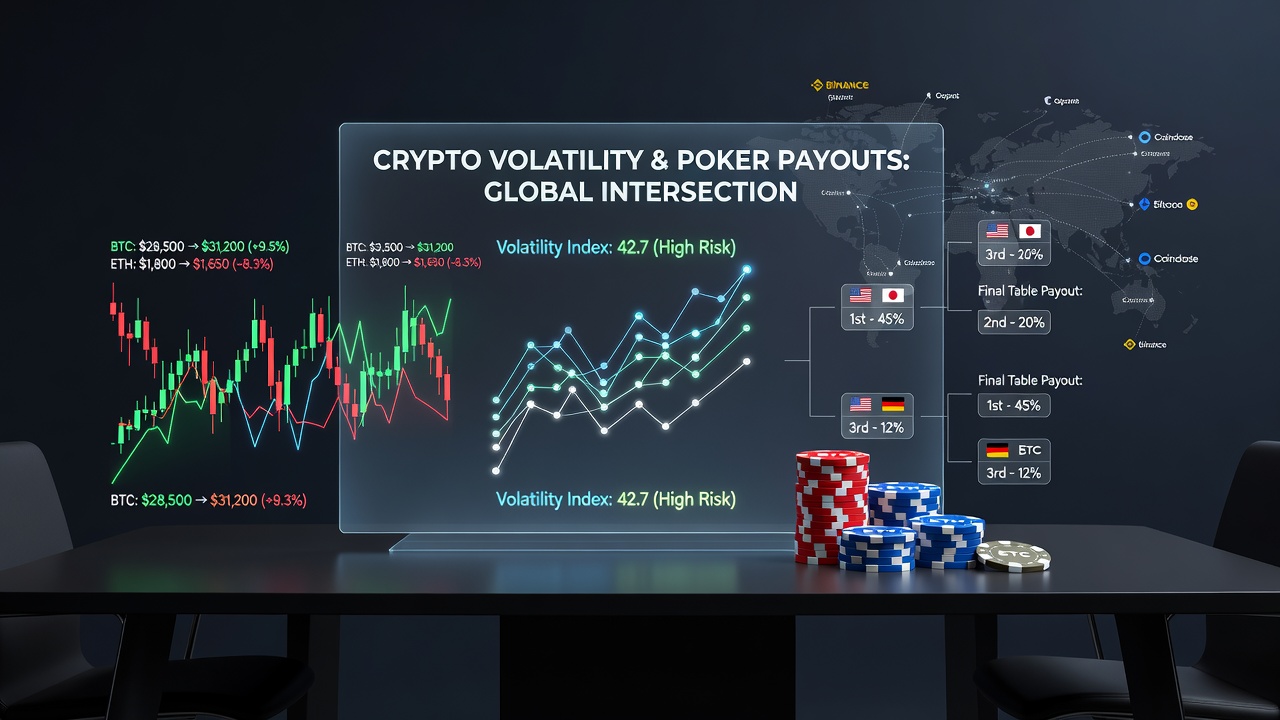
Platforms operating across multiple jurisdictions now integrate cryptocurrency as a core component of poker tournament prize pools, and data from major operators shows that value swings in assets like Bitcoin and Ethereum directly alter the real-world worth of those payouts between registration and final table distribution.
Integration Patterns Across Regions
Operators based in North America, the European Union, and parts of Asia have adopted different approaches to handling crypto entries and disbursements, while platforms registered under the Malta Gaming Authority accept deposits in several major coins and convert portions of prize pools at the moment of payout rather than at buy-in. In contrast, certain North American sites peg portions of their structures to stablecoin equivalents to limit exposure, and researchers tracking transaction volumes note that this hybrid model gained traction after market movements in late 2025 prompted several large operators to revise their settlement procedures.
Observers tracking October 2026 settlement data report that average daily volatility in Ethereum reached levels sufficient to shift a $500,000 first-place prize by more than 12 percent within a 72-hour window on fully crypto-denominated events, whereas platforms using partial fiat conversion maintained tighter ranges for the same prize tier.
Structural Adjustments in Response to Price Swings
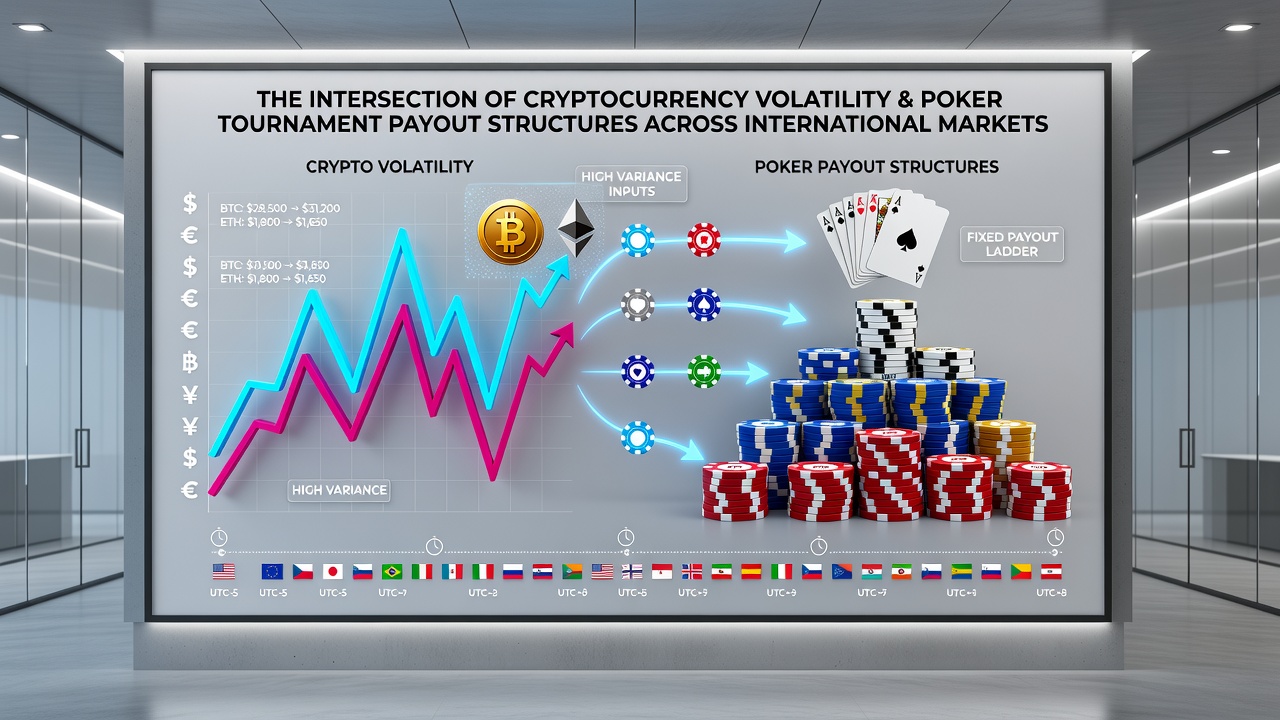
Tournament organizers respond to these movements by embedding clauses that permit mid-event recalculation of remaining prize tiers or by locking exchange rates at set intervals during multi-day competitions. One European operator introduced a sliding-scale adjustment formula that recalibrates the final three payout positions every 12 hours based on the average price of the settlement asset across three independent exchanges, and figures released by the operator indicate this change reduced player disputes over final amounts by 34 percent compared with the previous fixed-rate system.
Meanwhile, several Asia-focused platforms continue to publish all prize pools exclusively in cryptocurrency units without conversion guarantees, and participants on those sites accept the full market risk as a stated condition of entry. Studies compiled by academic researchers at institutions monitoring digital asset markets show that this approach attracts a distinct player demographic willing to treat the entry as both a skill contest and an implicit position on future coin prices.
Regional Regulatory Influences
Regulators in jurisdictions such as the Isle of Man and certain Canadian provinces require operators to disclose volatility risk factors in tournament terms, and compliance reports filed in those regions during the first three quarters of 2026 list specific language that must appear in player agreements regarding potential prize value changes. In Australia, the Australian Communications and Media Authority has examined similar disclosure requirements for crypto-enabled gaming products, and consultation papers circulated in mid-2026 outline proposed standards for real-time price transparency during live events.
Those who've examined cross-border player flows note that operators licensed in multiple territories often maintain separate prize structures for each regulatory environment, which creates situations where the same tournament series offers fixed fiat equivalents in one region and pure crypto settlement in another. This segmentation allows platforms to comply with local rules while still offering crypto options to eligible participants.
Platform-Specific Examples and Data Trends
Take one major operator that runs simultaneous events on servers serving different continents: its European series locks exchange rates 24 hours before each final table, while its Asian counterpart publishes live conversion rates visible to all remaining players. Transaction records examined by industry analysts indicate that the European structure produces more predictable cash-out values, whereas the Asian events see higher variance in reported player returns when measured against entry-date valuations.
Additional data compiled through public blockchain explorers shows that settlement times also affect outcomes, since longer confirmation periods on certain networks expose remaining prize portions to further price movement after a tournament concludes but before funds reach player wallets.
Conclusion
International poker platforms continue to refine payout mechanisms in response to ongoing cryptocurrency market behavior, and the approaches developed in different regulatory environments demonstrate measurable differences in how volatility translates into final player receipts. Operators track these patterns through internal metrics and external market data, while regulators in multiple jurisdictions maintain oversight focused on disclosure and settlement transparency.