Social Media Sentiment's Role in Shaping Live Event Wagering Markets
Leon Keller · Oct 31, 2026
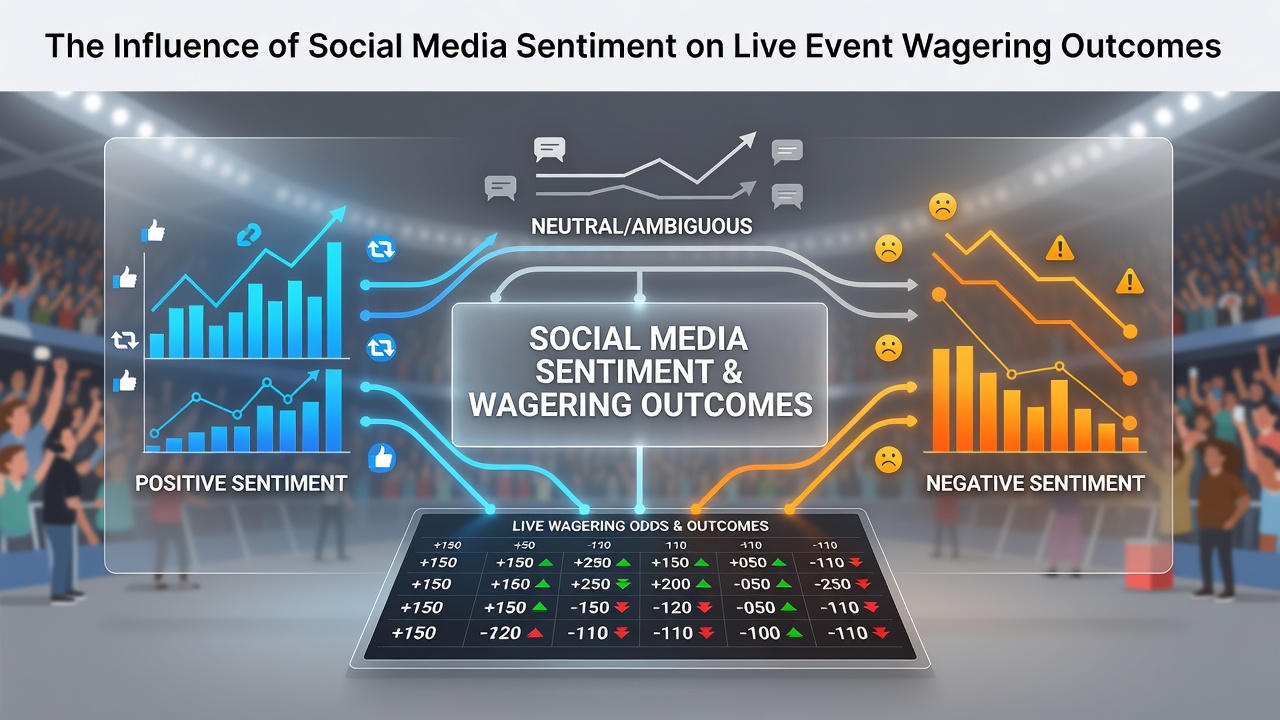
Social Media Sentiment's Role in Shaping Live Event Wagering Markets
Live event wagering has evolved alongside digital platforms where real-time conversations on social media channels influence bettor decisions and market movements in measurable ways, and researchers have documented correlations between spikes in online discussions and shifts in betting volumes during matches or competitions. Data from multiple studies indicate that platforms like X and Reddit generate sentiment signals that operators and bettors monitor closely, with algorithms processing millions of posts to gauge public mood around teams or athletes in the moments before wagers are placed.
Tracking Sentiment Through Digital Channels
Analysts at various research institutions use natural language processing tools to categorize posts as positive, negative, or neutral, and these classifications often align with subsequent changes in live odds offered by betting platforms. Figures from industry reports reveal that during high-profile football matches sentiment surges on social media can precede adjustments in point spreads by several minutes, giving some participants an informational edge while others react after the fact. Observers note that volume of mentions combined with emotional tone creates patterns that repeat across different sports and regions, although the strength of these links varies by event type and audience size.
One study conducted by academic teams examined thousands of live basketball games and found measurable increases in betting activity on underdogs following clusters of supportive tweets from verified accounts, and similar patterns emerged in tennis and hockey markets when sentiment turned sharply against favored players. These findings come from datasets collected over multiple seasons, allowing statisticians to control for factors like score updates and injury news that also drive wagering behavior.
Market Responses and Operator Adjustments
Betting operators have incorporated social listening tools into their risk management systems, and this integration helps them detect unusual betting patterns that coincide with viral posts or trending topics. Data shows that when negative sentiment toward a star athlete reaches certain thresholds, total wagers on that player's team can drop by double-digit percentages within a single quarter or period. Regulators in several jurisdictions have begun reviewing how such digital signals affect market integrity, with agencies in North America and Australia issuing guidance on transparency around automated systems that respond to online chatter.
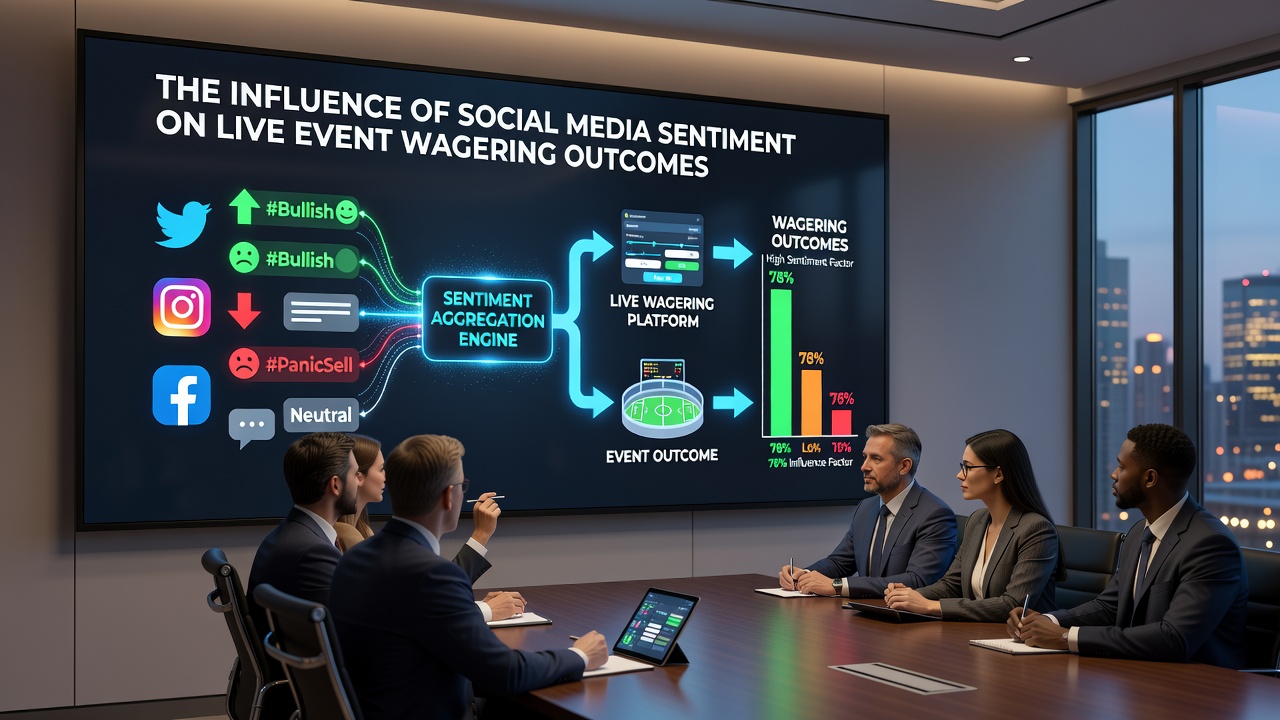
What's interesting here is the speed at which information travels from individual posts to aggregated odds boards, and this velocity has increased as more users participate in real-time commentary. A report published by the European Gaming and Betting Association highlights cases where coordinated social campaigns appeared to influence liquidity in niche markets such as e-sports and lower-tier leagues, prompting operators to implement additional verification steps for large bets placed during sentiment peaks. Those who've examined transaction logs across multiple platforms confirm that bettors who follow sentiment feeds often place smaller, more frequent wagers compared with traditional pre-event betting patterns.
Regional Variations and Data Sources
Patterns differ by geography, with North American markets showing stronger ties between Twitter activity and basketball wagering while European data points more toward football discussions on local platforms. According to research compiled by the University of Nevada's gaming studies program, sentiment-driven betting accounted for an estimated 12 to 18 percent of in-play handle during the 2025-2026 season across major US sportsbooks. Figures released in October 2026 by Canadian provincial regulators noted similar proportions in hockey markets, where fan engagement on social channels correlated with late-game betting surges.
Industry organizations have started sharing anonymized datasets that allow independent researchers to test these relationships further, and early results suggest that combining sentiment scores with traditional indicators like possession statistics improves predictive models for live odds movements. Yet the relationship remains probabilistic rather than deterministic, because many other variables including referee decisions and weather conditions continue to exert independent effects on outcomes and betting flows.
Conclusion
Evidence accumulated to date demonstrates that social media sentiment functions as one measurable input among several that shape live event wagering dynamics, and ongoing data collection will clarify how these digital signals interact with established betting factors. Operators and analysts continue refining their monitoring techniques while regulatory bodies track developments across jurisdictions to maintain fair play standards in evolving markets.